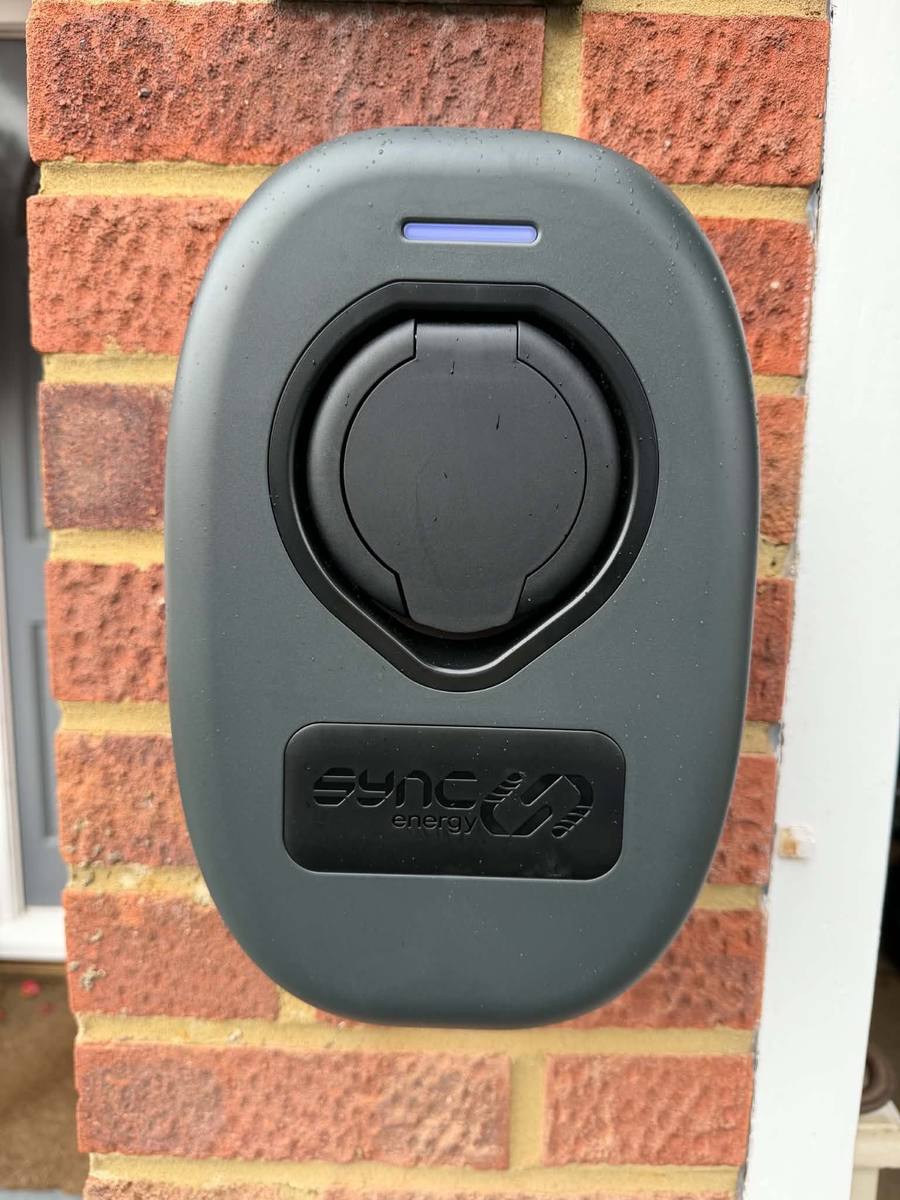
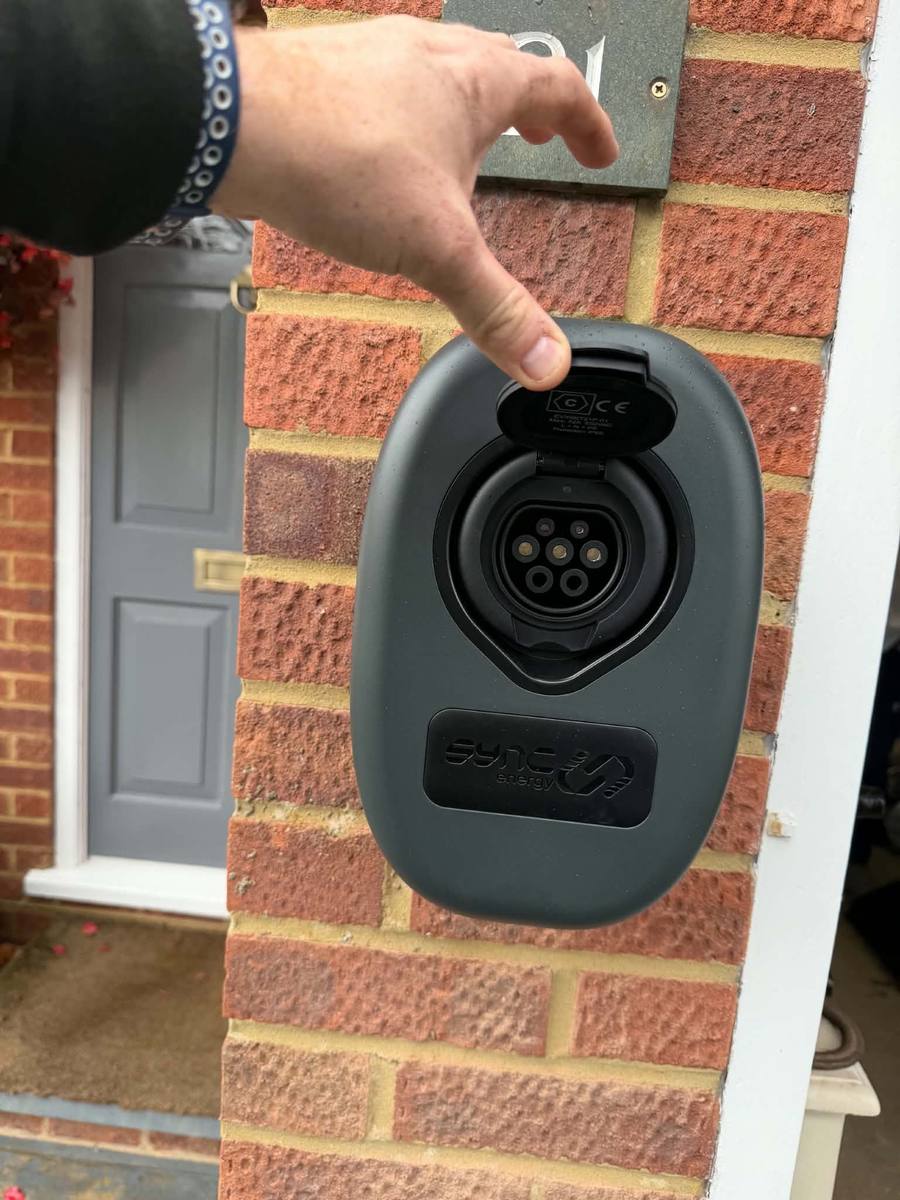
No driveway? You can likely still charge at home. We install driveway chargers and no-driveway cross-pavement solutions, and help you claim the government grant.
The charger itself is only half the picture — how you power it can make a bigger difference to your bills than which box is on the wall.
7kW is the right size for almost every UK home. It runs off a standard single-phase supply, adds roughly 25–30 miles of range per hour, and fully charges a typical EV overnight. 22kW chargers need a three-phase supply, which most UK homes don't have — upgrading for one is rarely worth it unless you already have three-phase power.
Tethered vs untethered is really just a preference. A tethered charger has the cable permanently attached — quicker to use, especially in bad weather. An untethered charger is just a socket — you supply your own cable, which suits households with more than one EV or different connector types. Charging speed is identical either way.
A smart charger lets you schedule charging for off-peak hours. EV-specific tariffs like Intelligent Octopus Go offer overnight rates that typically sit at a fraction of the standard Ofgem price cap rate — often around a third of the daytime price. Exact rates change regularly, so it's worth checking current pricing with your supplier before switching.
Some smart chargers automatically divert surplus solar generation into your car instead of exporting it to the grid, topping up for free whenever the sun's out. If you already have solar panels, or you're thinking about them, it's worth asking whether a solar-diverting charger makes sense for your setup — we can advise on compatible options when we quote.
Tariff names, rates and grant terms above are correct at the time of writing and change periodically — always confirm current figures directly with your energy supplier or on gov.uk before making a decision based on them.
Example figures for a standard installation — your actual quote depends on the cable run and whether cross-pavement work is needed.
These figures are illustrative, not a quote — final pricing depends on your property and cable run, and grant amounts depend on OZEV approval.
Use our calculator for an instant budget estimate based on your property and parking setup.
Open the EV CalculatorMost EV charger information assumes you have off-street parking. If you park on the street in Boscombe, Westbourne, or anywhere else in BCP, there's still a route to charging at home — it's just less well explained.
The answer is a cross-pavement channel — a permanent cable gully set into the pavement that lets a charging cable run safely from your house, across the footpath, to your car parked on the street. It has to be a proper permanent installation, not a temporary cable cover or mat.
Because the work crosses public pavement, it needs approval from your local highways authority — BCP Council for Poole, Bournemouth and Christchurch — before it goes in. We handle this process for you: surveying the route, submitting the application, and only installing once it's approved.
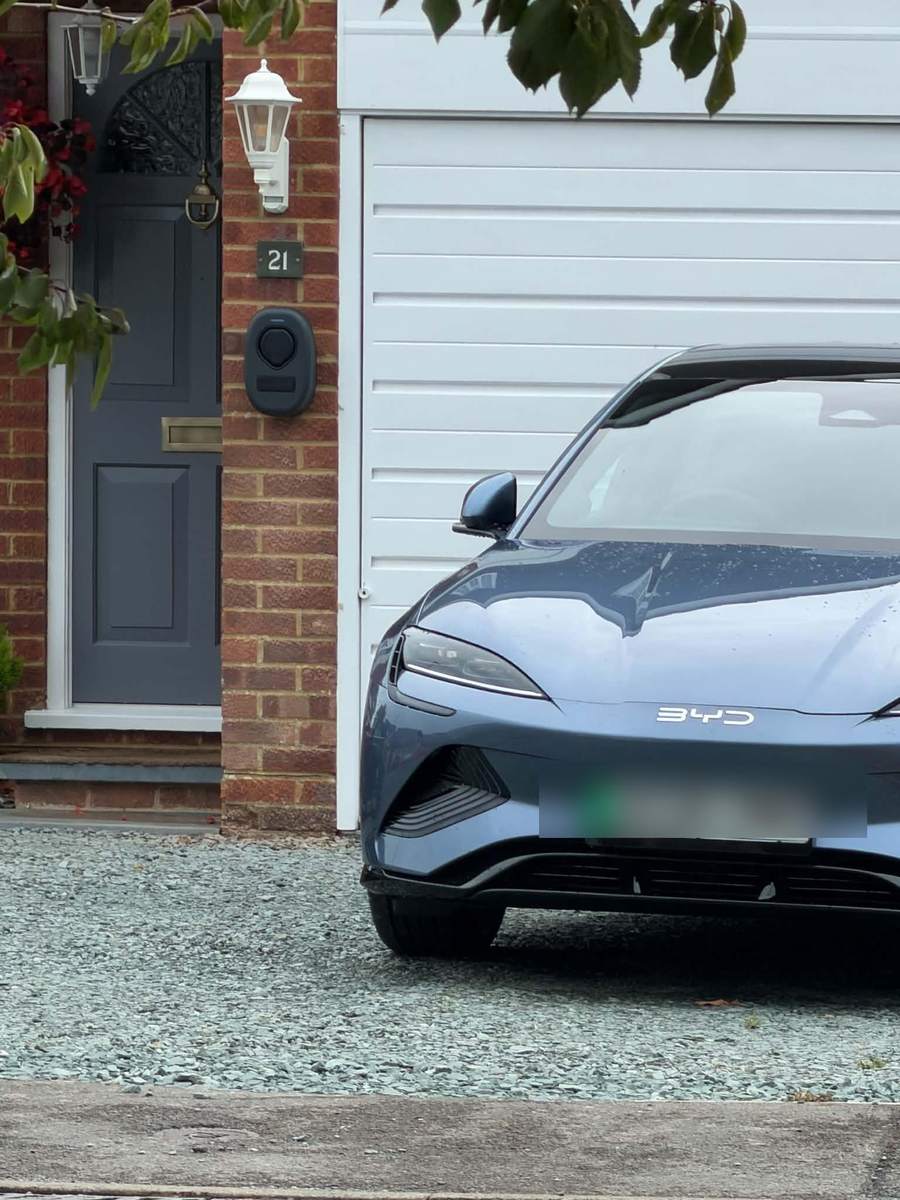
As of April 2026, the OZEV chargepoint grant was increased and now covers more people than most realise.
For a cross-pavement channel — 75% of cost, capped at £500 per socket.
If you have a private off-street parking space at a rented or leasehold property.
Per socket, installing at a rental property for a tenant's use.
Open until 31 March 2027. A dated installation quote is required as part of the application, and the charger and installer both need to be OZEV-approved. Critically: if the charger is installed before the grant is approved, it can be refused — so the application has to happen first. We can talk you through what's needed for your property.
Often yes, via a cross-pavement channel — a permanent cable gully set into the pavement that lets you charge from your house across the footpath. It needs local highways authority permission, which we can help you apply for.
As of April 2026, the grant covers 75% of the purchase and installation cost, up to a maximum of £500 per socket. It applies to on-street parking properties, renters and flat owners with a private space, and residential landlords, and is open until 31 March 2027.
Yes. Because the cable crosses public pavement, your local highways authority (BCP Council for Poole, Bournemouth and Christchurch) has to approve the installation before it goes in. Installing without approval can mean the grant is refused.
A standard driveway installation usually takes half a day. A cross-pavement installation takes longer, since it depends on council approval timing as well as the physical work.
Tell us about your parking setup — driveway or on-street — and we'll advise on the best route, including the grant.
Request Your EV Charger Quote